Hair Care in Bangladesh: Complete Guide to Healthy Hair (2026)
-
 Laura Mohiuddin
- Posted on
- 0 comments
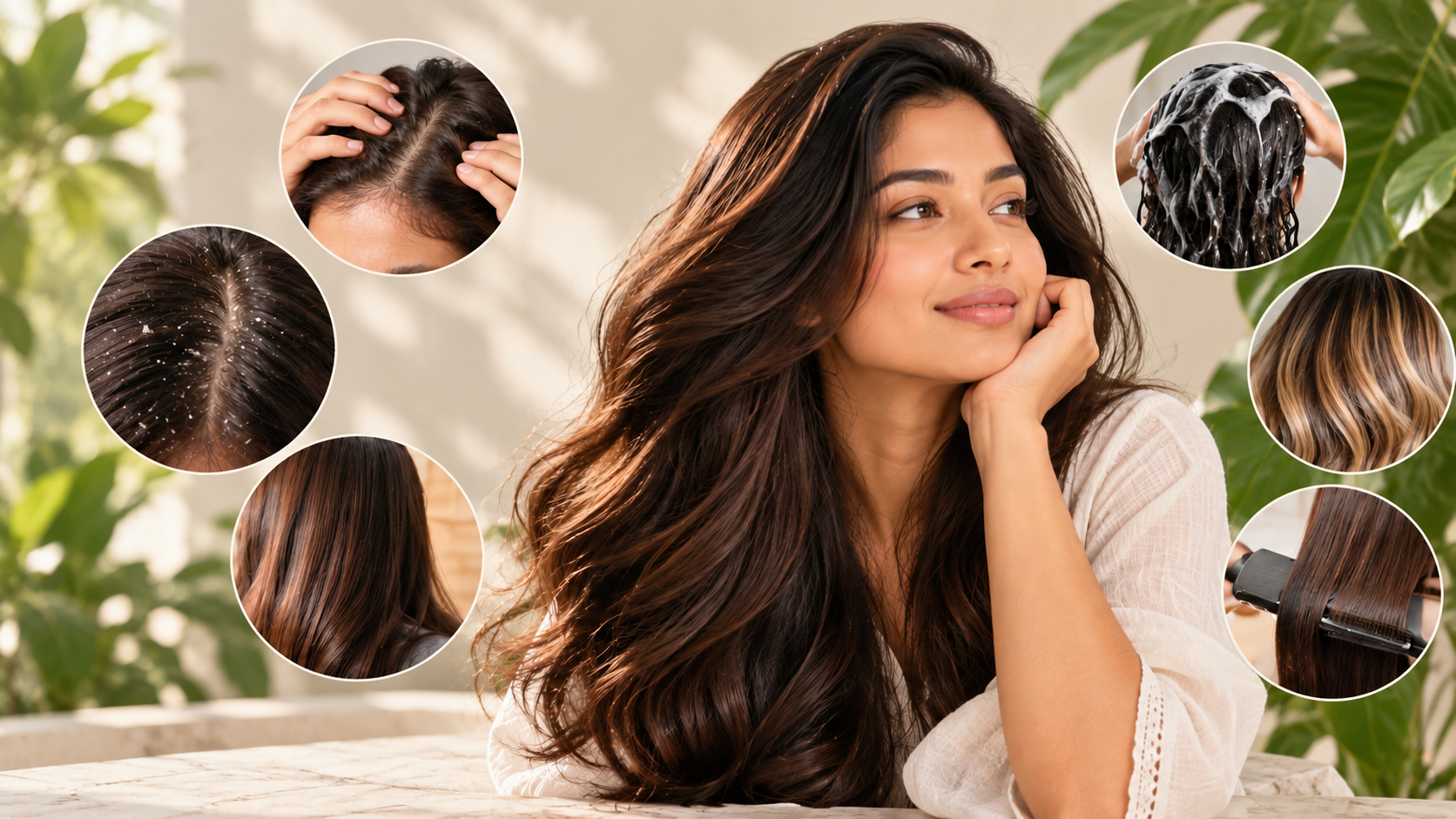
Hair care in Bangladesh isn't just about finding a good shampoo. Heat, humidity, pollution, sweat, styling, chemical treatments and frequent washing can all change what your hair actually needs.
If you're trying to build a hair care routine in Bangladesh, the biggest mistake is starting with a product instead of the problem. Hair that is shedding needs a different approach from hair covered in buildup. Dandruff isn't the same thing as a dry scalp, and dry, damaged hair doesn't need the same shampoo as someone trying to control excess oil.
This guide is the starting point. Instead of giving you one routine that supposedly works for everyone, it breaks down the most common hair concerns and points you toward the specific guide that deals with each one.
What Makes Hair Care in Bangladesh Different?
Hair doesn't exist in a vacuum. Your environment, washing habits, water, styling routine and chemical treatments all affect how it behaves.
Bangladesh's hot and humid climate can mean more sweat and oil on the scalp, while pollution and airborne particles can add to the buildup sitting on the hair. Water quality also varies by location, and mineral deposits can contribute to a coated or dull feeling for some people. Regular use of styling products, oils or heavy conditioners can add another layer. If you colour, straighten, keratin-treat or otherwise chemically process your hair, the equation changes again.
That doesn't mean everyone needs a complicated ten-step routine. In fact, most people don't. The better approach is to identify what your scalp and hair are actually doing, then choose products around that problem.
Start With Your Scalp, Not Your Shopping List
Your scalp is where your hair grows, so it's usually the first place to look when something changes. Is it oily by the end of the day? Is it itchy or flaky? Does it feel coated with product? Are you seeing more hair in the shower than usual?
Those symptoms can point in very different directions. A clarifying shampoo may make sense for buildup but can be unnecessary if your main problem is dandruff. A shampoo designed around hair fall won't solve brassiness in blonde or grey hair. And a highly nourishing shampoo can be the wrong choice if your scalp is already feeling overloaded with oil and product.
Don't treat every hair problem as a shampoo problem. Persistent dandruff, sudden or patchy hair loss, significant scalp irritation and other ongoing symptoms can have causes that a cosmetic product cannot fix. Know when you're dealing with a hair-care issue and when you need professional advice.
Hair Fall and Shedding
Seeing hair in your brush, shower drain or on your clothes doesn't automatically mean you're experiencing abnormal hair loss. According to the American Academy of Dermatology, losing around 50 to 100 hairs a day can be normal because hair naturally grows and sheds in cycles.
If hair fall is your main concern, start with our dedicated guide to the best shampoo for hairfall in Bangladesh. It looks specifically at KEUNE So Pure Energizing, what is actually in the formula, and where a hair-care product can — and cannot — help.
The important distinction is that shampoo is a hair-care product, not a universal treatment for medical hair-loss conditions. If shedding is sudden, patchy, persistent or getting significantly worse, the cause matters more than simply changing shampoos.
Dandruff, Flaking and an Itchy Scalp
Dandruff is another area where choosing a product based only on how your hair feels can lead you in the wrong direction. If your main concern is persistent flaking, an ordinary moisturising or clarifying shampoo may not be enough.
The American Academy of Dermatology's guidance on dandruff explains that dandruff can have several contributing factors, including an oily scalp and sensitivity to a yeast that lives on the scalp. That is why a shampoo specifically formulated for dandruff can be more appropriate than simply using a moisturising shampoo.
For this specific problem, see our guide to the best anti-dandruff shampoo in Bangladesh. It focuses on what makes an anti-dandruff shampoo different and why an ingredient such as piroctone olamine matters when you're dealing with dandruff rather than ordinary dry scalp.
Also remember that dandruff and dry scalp aren't interchangeable terms. If you keep treating flaking as simple dryness and the problem isn't improving, you're probably solving the wrong problem.
Buildup, Oily Hair and the Need for Clarifying
Sometimes your hair isn't actually dry or damaged — it's just coated. Styling products, oils, sweat, pollution, mineral deposits and residue from regular hair products can accumulate over time, leaving hair feeling heavy, dull or strangely difficult to clean.
That's where a clarifying shampoo has a specific job. It is designed to give the hair and scalp a deeper clean than your normal everyday shampoo.
For people dealing with buildup, swimmers, heavy styling routines or hair that simply feels coated, see our best clarifying shampoo in Bangladesh guide. It also explains why clarifying shouldn't automatically become your everyday shampoo.
Dry, Damaged or Chemically Treated Hair
If your hair feels rough, brittle, tangled or unusually dry, the answer isn't necessarily a stronger cleanser. Hair that has been coloured, bleached, heat-styled or chemically treated often needs a routine focused more heavily on conditioning, nourishment and reducing unnecessary stress.
For a more targeted nourishing routine, KEUNE Care Vital Nutrition is one of the ranges worth looking at. The line is designed around dry and damaged hair, with shampoo, conditioner and mask options depending on how much conditioning your hair needs.
The key is not to confuse "more nourishing" with "better for everyone." If your hair is already fine, oily or heavily coated with products, using the richest possible routine may leave it feeling heavier rather than healthier.
Do You Need Sulfate-Free Shampoo?
Sulfate-free has become one of those labels that gets treated as a universal sign of a better shampoo. It isn't quite that simple.
Sulfate-free formulas can be useful for people who prefer gentler cleansing, have a sensitive-feeling scalp, or want to reduce the amount of stripping in a routine. They're also commonly considered when caring for colour-treated or chemically processed hair. But whether you actually need sulfate-free depends on your hair, scalp and routine.
If you're considering the switch, our sulfate-free shampoo guide compares the options rather than treating the label itself as the solution.
Hair That Is Grey, White or Blonde
Grey and white hair have a different problem from hair fall or buildup: unwanted warmth. Lightened, grey and white hair can show yellow or brassy tones quite easily, especially between salon visits.
That's where a purple shampoo belongs in the routine. KEUNE Silver Savior uses violet pigments to neutralize unwanted yellow and warm tones. It isn't a hair-growth shampoo, a dandruff shampoo or a general repair treatment — it's a toning product for a very specific problem.
Using it only when you actually need that toning effect is more useful than automatically replacing your regular shampoo with it.
Hair Care After Keratin, Nanoplastia or Other Treatments
Chemically treated hair needs a different level of attention because the routine you use afterward can affect how long the result lasts. This is especially important after keratin, Nanoplastia and other smoothing treatments.
The goal isn't to keep adding more treatment products. It's to avoid undoing the result unnecessarily through harsh cleansing, excessive heat or poor aftercare.
For a routine built specifically around treated hair, see our guide to hair care after keratin treatment. It covers the FELPS Omega Zero Açaí Oil aftercare range and how the products fit into a post-treatment routine.
How to Build a Simple Hair Care Routine in Bangladesh
Good hair care in Bangladesh doesn't require a bathroom shelf full of products. A basic routine can be surprisingly simple if each product has a reason for being there.
1. Choose the right shampoo
Start with your main scalp concern. Hair fall, dandruff, buildup, dryness and colour maintenance are different problems, so choose your cleanser accordingly.
2. Condition the lengths
Shampoo primarily deals with the scalp. Conditioner is there to improve the feel, manageability and protection of the lengths. Apply it where the hair actually needs conditioning rather than automatically coating the scalp.
3. Add a treatment only when you need one
A mask or specialised treatment can make sense for dry, damaged or chemically processed hair, but more products do not automatically mean healthier hair. Start with the smallest routine that solves the problem.
4. Adjust your washing frequency
There isn't one correct number of washes for everyone. Oily scalps, heavy exercise, humid weather and frequent product use can mean you need to wash more often, while dry or chemically treated hair may need a gentler approach.
5. Don't ignore heat and mechanical damage
Very hot water, excessive heat styling, aggressive brushing and tight hairstyles can all make hair care harder. A good shampoo cannot compensate for constant mechanical or heat stress.
Which Hair Care Guide Should You Read Next?
You don't need to read every article on the site. Start with the problem that actually matches your hair.
- Hair fall or excessive shedding: Best Shampoo for Hairfall in Bangladesh
- Dandruff or persistent flaking: Best Anti-Dandruff Shampoo in Bangladesh
- Heavy buildup or oily, coated hair: Best Clarifying Shampoo in Bangladesh
- Want to understand sulfate-free options: Sulfate-Free Shampoo in Bangladesh
- Dry or damaged hair: KEUNE Care Vital Nutrition Guide
- Grey, white or blonde hair turning yellow: Purple Shampoo for Grey Hair: KEUNE Silver Savior Guide
- Hair after keratin or smoothing treatment: Hair Care After Keratin Treatment
The best routine is the one that matches the problem. You don't need to use every product mentioned here. Identify what your scalp and hair actually need, choose products around that concern, and change the routine when the condition of your hair changes.
Frequently Asked Questions
What is a good hair care routine in Bangladesh?
There isn't one routine that works for everyone. Start with a suitable shampoo and conditioner, then add targeted products only for specific concerns such as dandruff, buildup, dryness, hair fall, colour maintenance or chemically treated hair. Your scalp condition, hair type and lifestyle should determine the routine.
How often should I wash my hair in Bangladesh?
It depends on your scalp and routine. Hot and humid weather, sweating, exercise and heavy product use may mean you need to wash more frequently, while dry, damaged or chemically treated hair may benefit from a gentler schedule. There is no universal number that applies to everyone.
Which shampoo is best for hair fall?
If hair fall is your main concern, start with our best shampoo for hairfall in Bangladesh guide. It focuses on KEUNE So Pure Energizing and also explains why persistent or significant hair loss may need medical assessment rather than a shampoo change.
Is sulfate-free shampoo better for hair?
Not automatically. Sulfate-free shampoo can be useful for some people, particularly those who prefer gentler cleansing or are caring for colour-treated or chemically processed hair, but the best choice depends on your scalp, hair condition and washing routine.
How can I control dandruff?
If you have persistent dandruff or flaking, choose a shampoo specifically formulated for dandruff rather than relying only on a moisturising or clarifying shampoo. See our anti-dandruff shampoo guide for a more detailed look at the options.
Do I need clarifying shampoo?
Not everyone does. Clarifying shampoo is most useful when you have noticeable buildup from styling products, oils, sweat, pollution, mineral deposits or other residue. It is a targeted deep-cleaning step rather than something you necessarily need every wash.
What should I use after a keratin or smoothing treatment?
Use an aftercare routine designed to maintain treated hair rather than aggressively cleansing away the result. Our hair care after keratin treatment guide explains how FELPS Omega Zero aftercare fits into that routine.
Find the Right Hair Care for Your Hair
Explore our hair-care guides and choose products based on what your hair actually needs.
Shop Hair Care